
Human attraction is complex and multifaceted, often extending beyond the conventional ideas of beauty. One such lesser-known but intriguing aspect of human sexuality is quirofilia a specific and intense attraction to hands. When someone experiences arousal or fascination centered on hands be it their shape, movement, or gestures it may be referred to as quirofilian behavior or orientation. This essay delves into the nature of quirofilia, its possible psychological roots, cultural significance, and how society perceives such sexual expressions.
Understanding Quirofilia
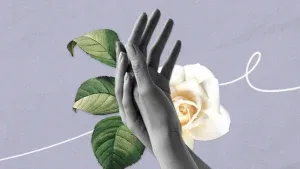
People who identify with this fetish often find hands to be the most sexually or emotionally stimulating part of the human body. The attraction may be directed at various aspects: the appearance of the hands (such as long fingers, well-kept nails, or veins), the sensations they create (such as touch or pressure), or the actions they perform (writing, playing an instrument, or even gestures).
Unlike more common body-centric attractions (like those focused on faces, breasts, or legs), quirofilia centers on a part of the body typically seen as utilitarian. Yet, to those with this attraction, hands are not just tools they’re deeply sensual, powerful, and often central to erotic fantasies or experiences.
Quirofilian Expression in Society
In popular media, there are countless subtle references to hand fetishism. Films often highlight a character’s hands to convey sensuality whether it’s a slow stroke, a lingering touch, or the act of creating something. Fashion photography and advertisements frequently focus on manicured nails or elegant fingers, feeding into the aesthetic value that hands can represent.
Quirofilia, like many fetishes, exists on a spectrum. For some, it may be a minor preference, while for others, it might be a central focus of arousal or romantic desire. Importantly, in most cases, quirofilia is harmless and consensual, posing no risk to the individual or others. It becomes problematic only when it leads to distress or causes impairment in daily life or relationships criteria necessary for clinical concern in any paraphilic behavior.

Destigmatizing Fetish and Desire
The word “fetish” often carries a negative connotation, conjuring up images of taboo or deviance. However, modern psychological understanding urges a non–judgmental and inclusive view of sexuality. As long as behaviors are consensual, legal, and do not cause harm, they fall within the realm of healthy sexual expression.
Quirofilian individuals may choose to share their interest with partners or keep it as a private part of their erotic imagination. Either way, their experience is a valid and often misunderstood expression of human desire.

Quirofilia far from being strange or pathological—is simply one more way that human beings express their individuality in love, attraction, and sexuality. Hands, so often taken for granted, become objects of beauty, fascination, and pleasure in the eyes of the quirofilian. By fostering greater understanding and reducing stigma around diverse expressions of desire, society can move toward a more inclusive view of what it means to love and be aroused.